
Energy efficiency has become an important consideration in modern construction. Residential buildings, commercial spaces, educational institutions and hospitality projects all depend on electrical systems that deliver reliable performance while managing energy consumption. Smart planning, efficient lighting and suitable electrical equipment can help reduce unnecessary energy usage. Z Riders Electrical recognises the value of well-planned electrical infrastructure in creating more efficient and dependable buildings.
Understanding Energy Efficiency in Buildings
Energy efficiency means using electricity responsibly while maintaining the required level of comfort and performance. It involves selecting suitable equipment, planning electrical systems properly and avoiding unnecessary energy consumption. Small improvements across a building can make a meaningful difference over time.
Choose Energy-Efficient LED Lighting
LED lighting is a practical option for reducing electricity consumption in residential and commercial spaces. Compared with traditional lighting technologies, suitable LED products generally consume less power and offer longer service life. Selecting the correct brightness and colour temperature also helps improve the lighting experience.
Plan Lighting According to Space Requirements
Every area has different lighting needs. Workspaces require suitable task lighting, while corridors, parking areas and common spaces need appropriate general illumination. A well-designed lighting layout helps avoid excessive lighting and ensures that electricity is used where it is actually required.
Use Energy-Efficient Electrical Appliances
Electrical appliances contribute significantly to the overall energy consumption of a building. Choosing energy-efficient products with suitable capacity can help reduce electricity usage. Users should also follow manufacturer recommendations and avoid operating appliances unnecessarily.
Improve Electrical Load Management
Proper load management helps distribute electricity efficiently across different circuits and equipment. Understanding the building’s electrical requirements can help prevent unnecessary overloads and improve system performance. Periodic assessment is useful when new equipment or additional electrical connections are introduced.
Consider Smart Lighting Controls
Smart lighting controls, occupancy sensors and timers can help manage lighting based on actual usage. These solutions are useful in corridors, staircases, washrooms, parking areas and other shared spaces. Automated controls can reduce the time lights remain switched on when an area is not in use.
Maintain Electrical Systems Regularly
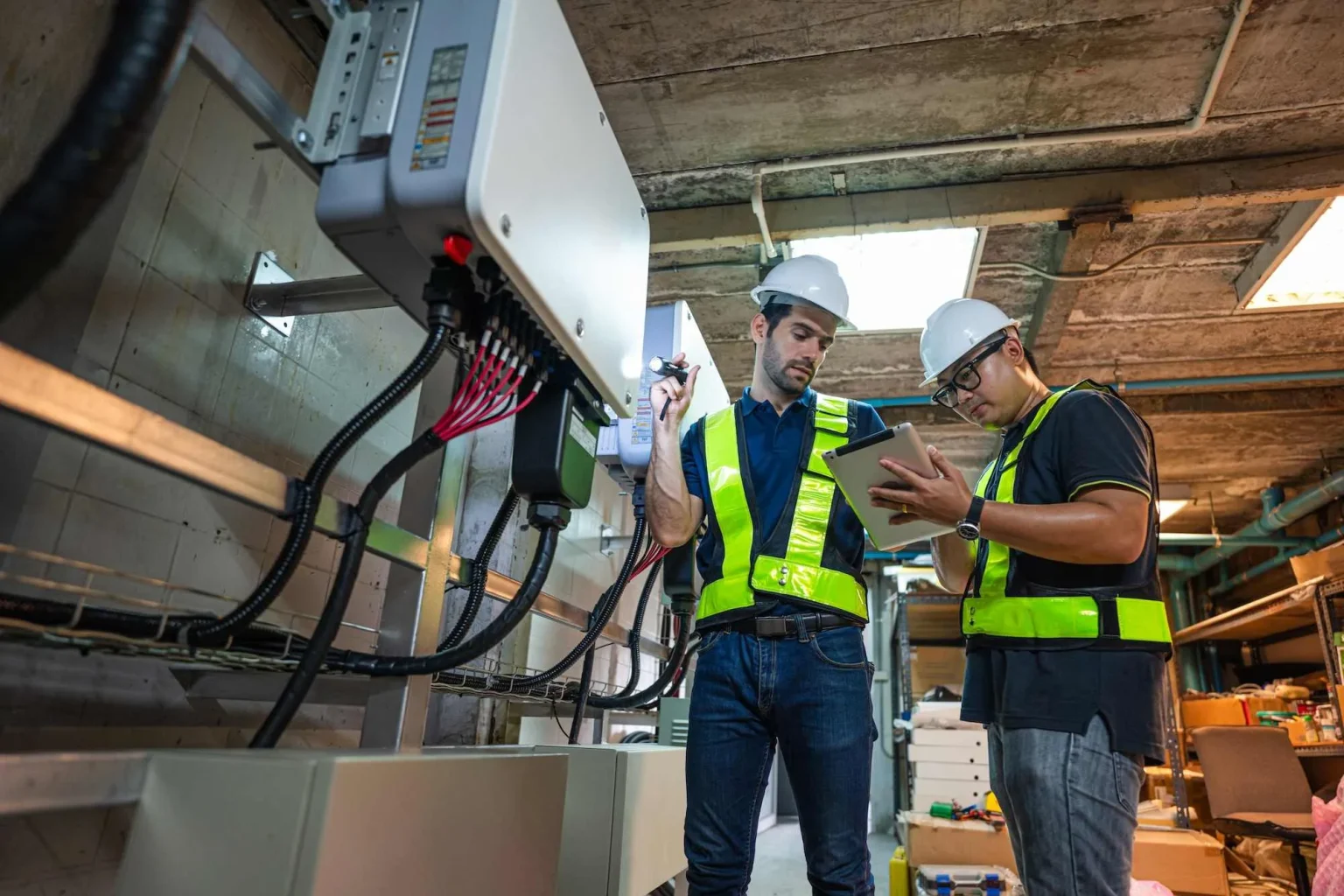
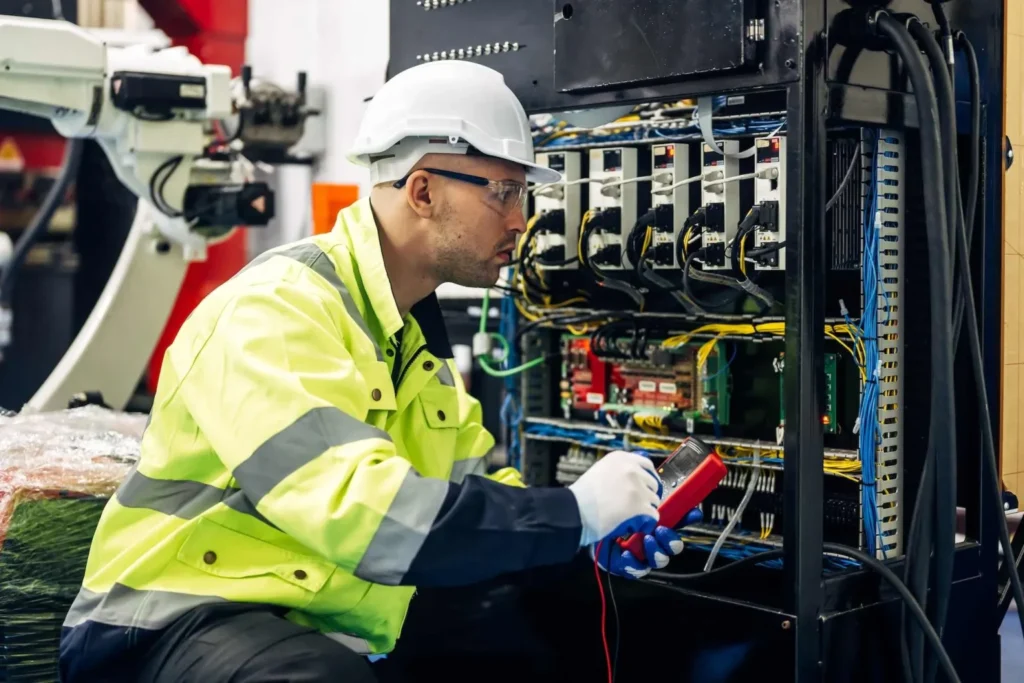
Poor connections, damaged wiring and faulty electrical components can affect system performance and create safety risks. Regular inspections and timely repairs help maintain reliable operation. Maintenance also provides an opportunity to identify outdated equipment that may need replacement.
Make Better Use of Natural Lighting
Building layouts that make effective use of daylight can reduce the need for artificial lighting during daytime hours. Windows, skylights and suitable interior arrangements can improve natural illumination. This approach can support energy efficiency while creating more comfortable indoor spaces.
Install Suitable Electrical Protection Systems
Energy-efficient buildings also need properly designed electrical protection. Suitable circuit breakers, earthing arrangements and other protective devices help safeguard electrical installations. Protection systems should be selected according to the electrical design and applicable safety requirements.
Energy Efficiency in Commercial and Residential Projects
Different buildings require different approaches to energy management. Residential projects may focus on efficient lighting and appliances, while commercial developments may need better control of lighting, equipment and electrical distribution. Educational institutions and hotels also benefit from systems designed around their operating requirements.
The Role of Professional Electrical Contractors
Professional electrical contractors help translate energy-efficiency requirements into practical electrical installations. Proper planning, suitable equipment selection and quality execution are important for achieving reliable results. Z Riders Electrical undertakes electrical contracting works across residential, commercial, educational and hospitality projects, with attention to quality and safety.
Conclusion
Energy-efficient electrical solutions can help buildings manage electricity consumption while maintaining comfort, functionality and reliability. From LED lighting and smart controls to proper load management and regular maintenance, every improvement contributes to better electrical performance. With professional planning and quality installation, modern buildings can achieve more responsible and efficient use of electricity.